 BLOOMSTORE
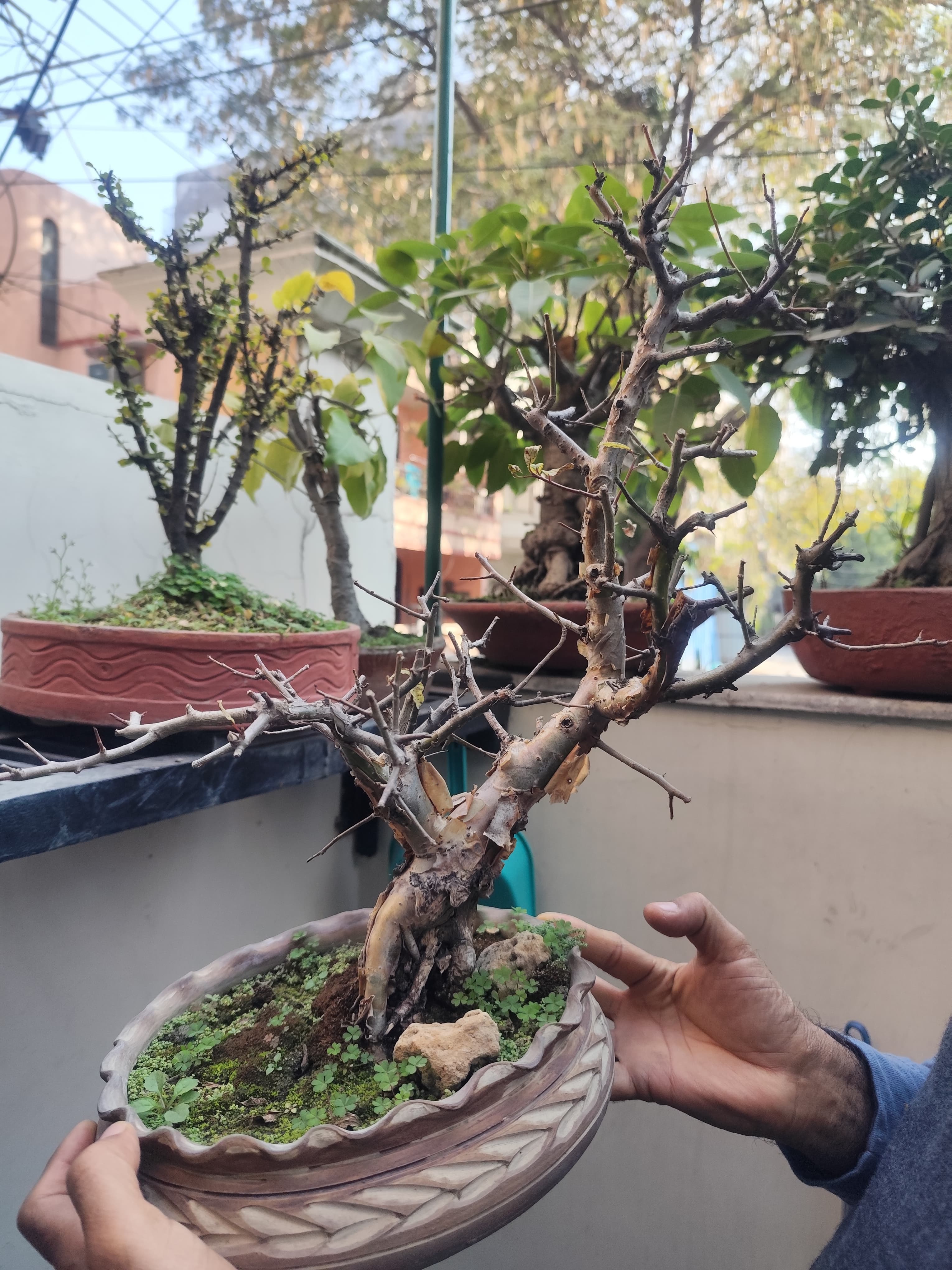
Bonsai: Preparation, Care & Techniques
Bonsai: Deeper Dive — Preparation, Care & Techniques
How to Prepare a Bonsai
Below are the main steps & components you need to think about when preparing a bonsai tree (from nursery stock, cuttings, or collected trees).
| Step | What to do | Why it matters |
|---|---|---|
| Choosing a suitable species | Pick a tree well-suited to your climate, whether hardy outdoors, semi-tropical, or indoor. Consider rate of growth, leaf size, trunk potential. | Different species have different needs for light, temperature, dormancy, etc. |
| Selecting / Preparing the Root-System | If you have a nursery plant: remove from pot, wash off old soil, prune large or circling roots, trim fibrous roots. If collected tree: clean rootball, remove undesirable roots. | Bonsai pots are shallow; roots must be healthy and not overcrowded. Root pruning keeps the plant balanced. |
| Choosing Soil / Substrate | Use a well-draining mix. Usually a mix of inorganic material (gravels, pumice, akadama, clay granules) + organic (some compost, bark) depending on species. | Good drainage prevents root rot, aeration keeps roots healthy. |
| Pot & Drainage | Use bonsai pots with drainage holes. Use mesh over holes to keep soil in but let water escape. Pot size should match the tree’s root mass (not too big or too tiny). | Poor drainage will drown roots; pot shape & size affect aesthetics & root health. |
| Pruning & Shaping | Decide on a style (formal upright, slanted, cascade etc.). Remove branches that ruin shape; shorten branches; sometimes remove the top to establish apex. Later finer pruning for leaf/branch balance. | The design of the bonsai comes from pruning & shaping. Without pruning, tree becomes just a small potted tree, not bonsai. |
| Wiring | Use aluminium or copper wire. Wrap around trunk or branches to bend them into desired form. Be careful to avoid damaging bark; remove wire before it cuts in. | Wiring allows shaping; used carefully it lets you guide the tree’s form. |
Care Tips: Maintenance for Bonsai
Once your bonsai is planted / shaped, ongoing care is crucial. Below are key care practices and what to watch out for.
-
Watering
-
Check soil moisture daily. Because bonsais are in small pots, soil dries faster.
-
Water thoroughly, until water drains from drainage holes. Don’t let the tree remain dry for too long. But avoid keeping soil soggy.
-
Adjust frequency depending on season (more frequent in hot growing season, less in winter).
-
-
Light / Placement
-
For outdoor bonsai: many species need full sun (especially conifers). Deciduous types may need sun + some shade.
-
Indoor bonsai: place near bright light, avoid drafts, avoid too warm/dry indoor air. Humidity helps.
-
Seasonal changes: protect from extreme cold or heat, depending on species.
-
-
Fertilizing
-
Regular feeding is necessary because small pots lose nutrients faster. Use bonsai‐specific fertilizer or a balanced slow release.
-
During active growth (spring & summer) higher feeding; reduce during dormancy (autumn/winter), depending on species.
-
-
Pruning & Leaf Work
-
Major pruning: shaping trunk, removing large branches, done mostly when tree is dormant or at species-appropriate times .
-
Minor pruning: trimming shoots / branches to maintain shape. Leaf pruning (defoliation) for deciduous varieties to reduce leaf size, improve ramification.
-
-
Wiring
-
Wire branches when wood is flexible enough; avoid wiring during stress or extreme heat/cold.
-
Check wires periodically; remove before they start biting into the bark.
-
-
Repotting
-
As tree grows, roots fill pot → repot every few years (depends on tree species, growth rate). Trim roots during repotting.
-
Best time is when tree is dormant or just before new growth in spring.
-
Use fresh soil mix, clean pot (or new pot). Ensure after repotting, tree is watered and given some protection until it recovers.
-
-
Pest / Disease Management
-
Regularly inspect for pests (aphids, mites etc.), fungal infections. Keep foliage clean. Good air circulation helps.
-
Avoid overwatering, which can promote root rot. Ensure drainage works well.
-
-
Seasonal Care
-
Spring: Begin pruning, repotting, feeding; new growth begins.
-
Summer: More water; ensure shade during hottest parts as needed; monitor pests.
-
Autumn: Prepare for dormancy if applicable; reduce feeding; protect against early frost for species that need it.
-
Winter: Keep trees sufficiently cool (if species requires dormancy), but avoid freezing damage. Monitor soil moisture (don’t let it dry out completely). Some trees may need greenhouse or sheltered location.
-
Common Mistakes to Avoid
-
Doing major pruning, repotting & wiring all in one go. These stress a tree; doing them together can be harmful.
-
Overwatering (leading to root rot) or under‐watering (letting the soil dry out too much).
-
Using soil that retains too much moisture or has poor drainage.
-
Wiring too tightly, or leaving wire on too long such that it cuts in.
-
Ignoring the tree’s species requirements (light, temperature, dormancy etc.).